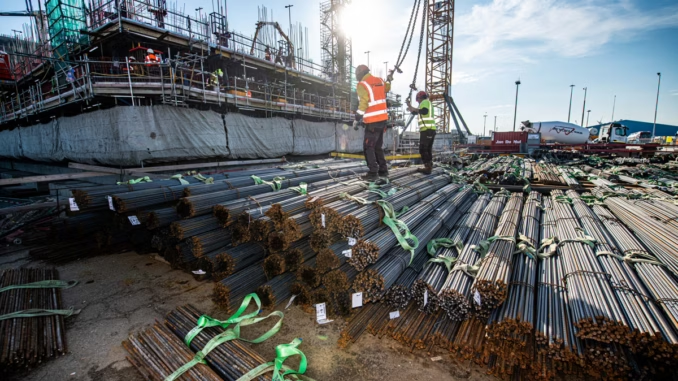
Belgium’s federal government is preparing a lower-cost alternative to its delayed North Sea energy island project after estimated costs for the original scheme rose sharply.
The ambitious offshore development, known as the Princess Elisabeth Island project, is designed to act as a major energy hub connecting future North Sea wind farms to Belgium’s electricity grid while also strengthening international energy links.
However, soaring construction costs and wider inflationary pressures across the energy and infrastructure sectors have prompted ministers to reconsider the scale and structure of the project.
Belgian authorities are now working on a revised version intended to preserve the island’s strategic energy role while significantly reducing overall costs. The move comes amid growing scrutiny over the financial viability of major renewable infrastructure projects across Europe.
Located around 45 kilometres off the Belgian coast, the artificial island forms part of Belgium’s broader plans to expand offshore wind energy capacity and reduce reliance on imported fossil fuels. The project was originally intended to become the world’s first artificial energy island and a central hub for offshore renewable power in the North Sea.
The original plans included major high-voltage infrastructure, international interconnectors and facilities to support future offshore energy expansion. Belgium has viewed the project as strategically important for both energy security and long-term decarbonisation targets.
The project has already faced delays linked to legal challenges and escalating costs, with concerns growing over the potential impact on energy bills and public spending.
Despite the redesign discussions, Belgium remains committed to offshore renewable energy growth, with the Princess Elisabeth Zone expected to play a key role in future electricity generation.
Energy analysts say the revised approach could become an important test case for how European governments balance climate ambitions with rising infrastructure costs and financial pressures.
Source: Belga News Agency
© BELGA PHOTO JONAS ROOSENS

Be the first to comment